
Macau Travel Guide for First-Time Visitors
Macau is two cities in one: a 400-year-old Portuguese trading port of cobbled squares and baroque churches, and a neon skyline of mega-casinos that out-earns Las Vegas. It's part of China but runs as its own Special Administrative Region — its own money, its own border, and its own extraordinary Portuguese-Chinese kitchen. It's compact and walkable, and easy to reach from Hong Kong or the mainland.
Getting there & around
From Hong Kong, ferries reach Macau in about an hour, or you can take a bus across the Hong Kong–Zhuhai–Macau Bridge. From the mainland, cross on foot from Zhuhai at the Gongbei border. Once there, the peninsula is walkable, buses are cheap, and the casinos run free shuttle buses between the ferry terminals, the border and the Cotai resorts — handy even if you never gamble.
The Historic Centre (a UNESCO site)
Macau's old town is a joy to wander. Don't miss:
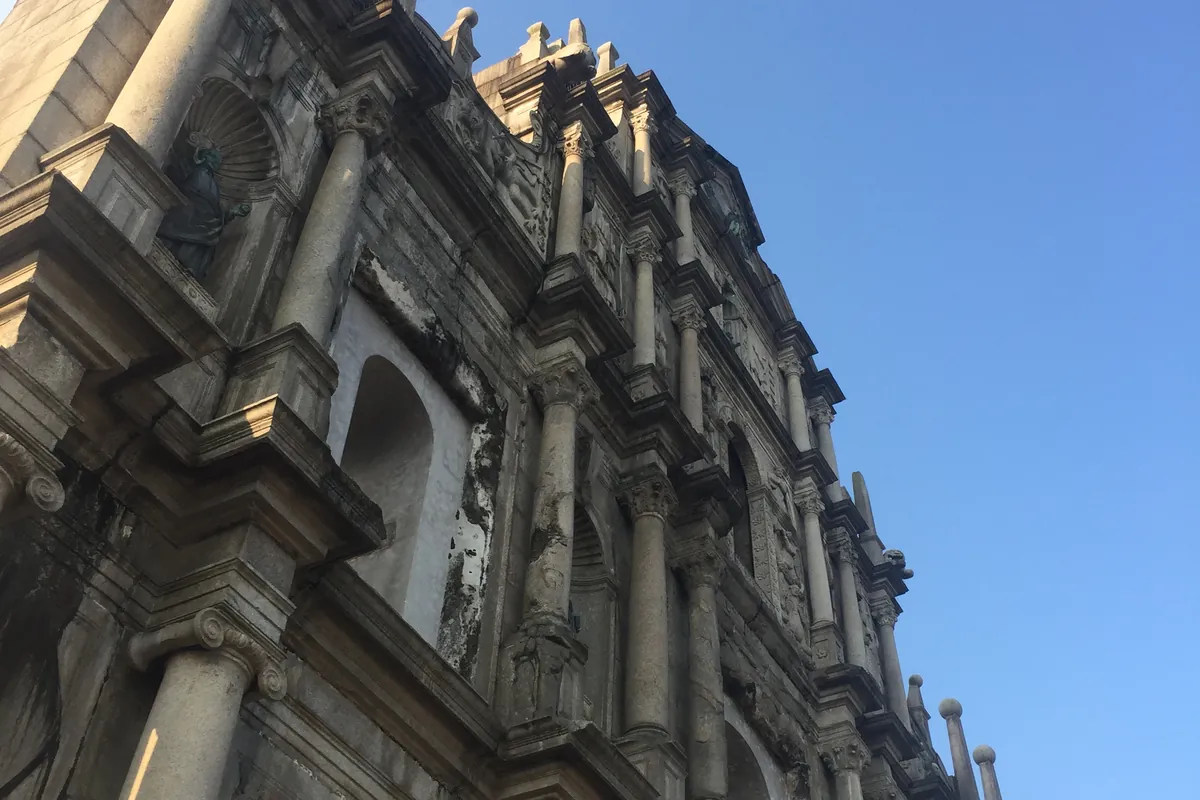
- Ruins of St. Paul's — the towering stone facade of a 17th-century church, the city's symbol.
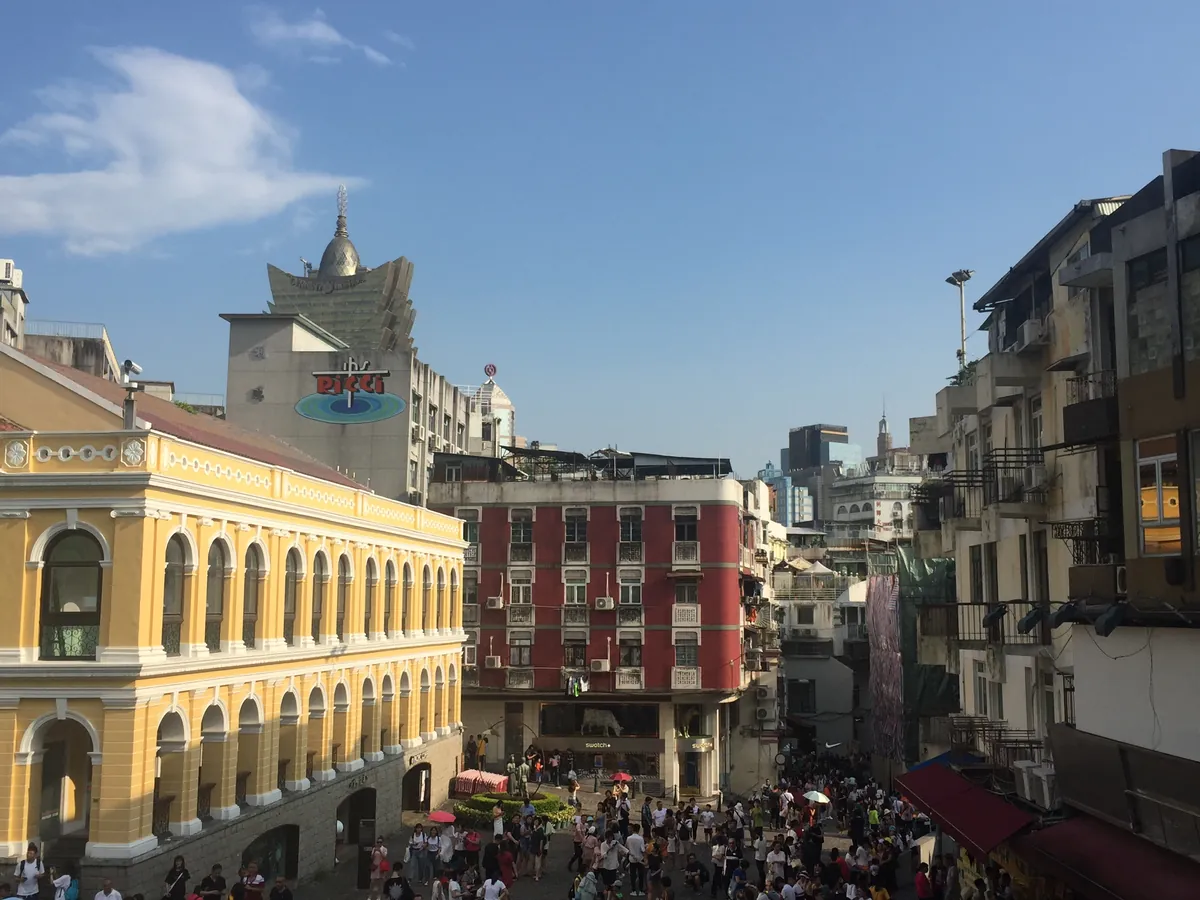
- Senado Square — a wave-patterned Portuguese plaza ringed by pastel colonial buildings.
- A-Ma Temple and Mount Fortress — the temple that gave Macau its name, and old cannons with a view.
The Cotai casinos
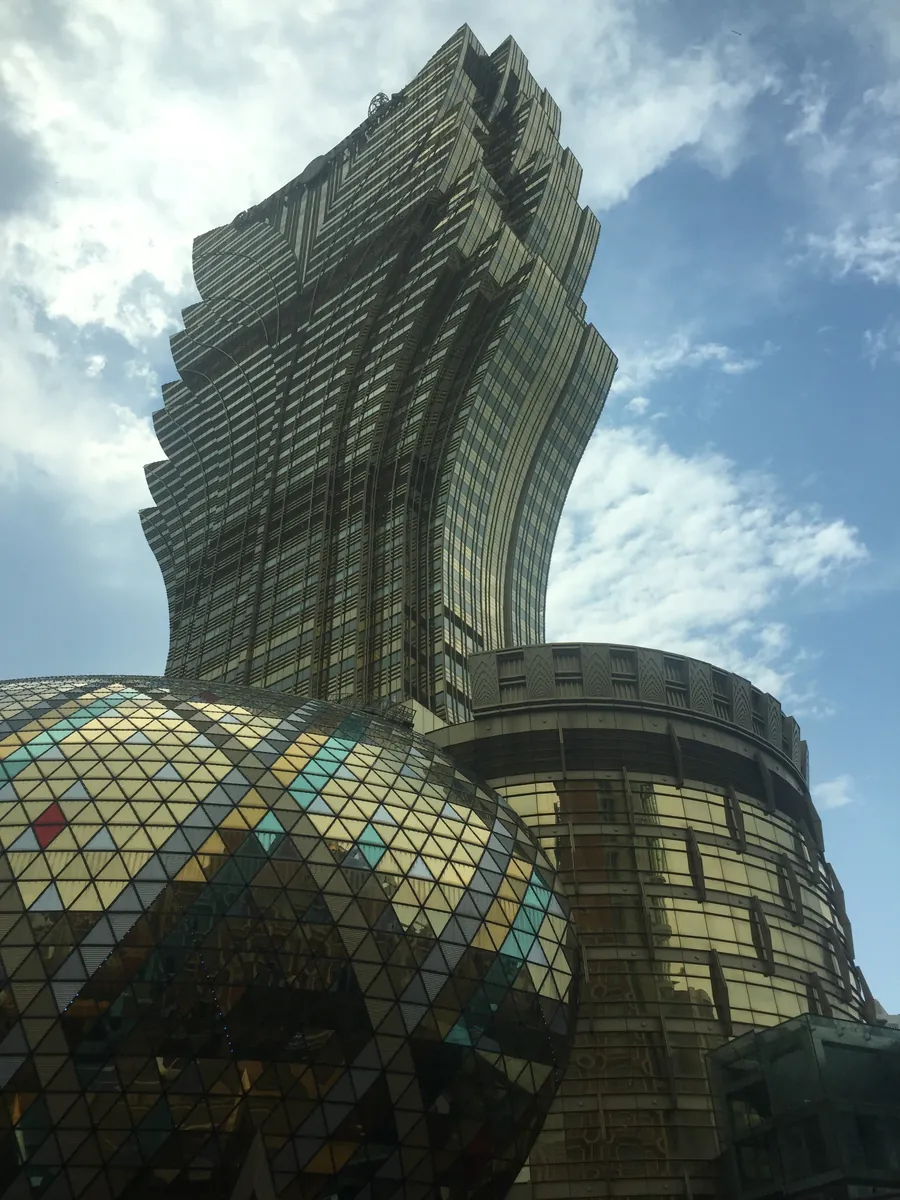
Across the water, the Cotai Strip is Macau's answer to the Vegas Strip — the Grand Lisboa's golden lotus tower, the canals of the Venetian, and resort after resort of shows, shopping and dining. Even non-gamblers come for the spectacle, the free attractions and the air-conditioned escape from the heat.
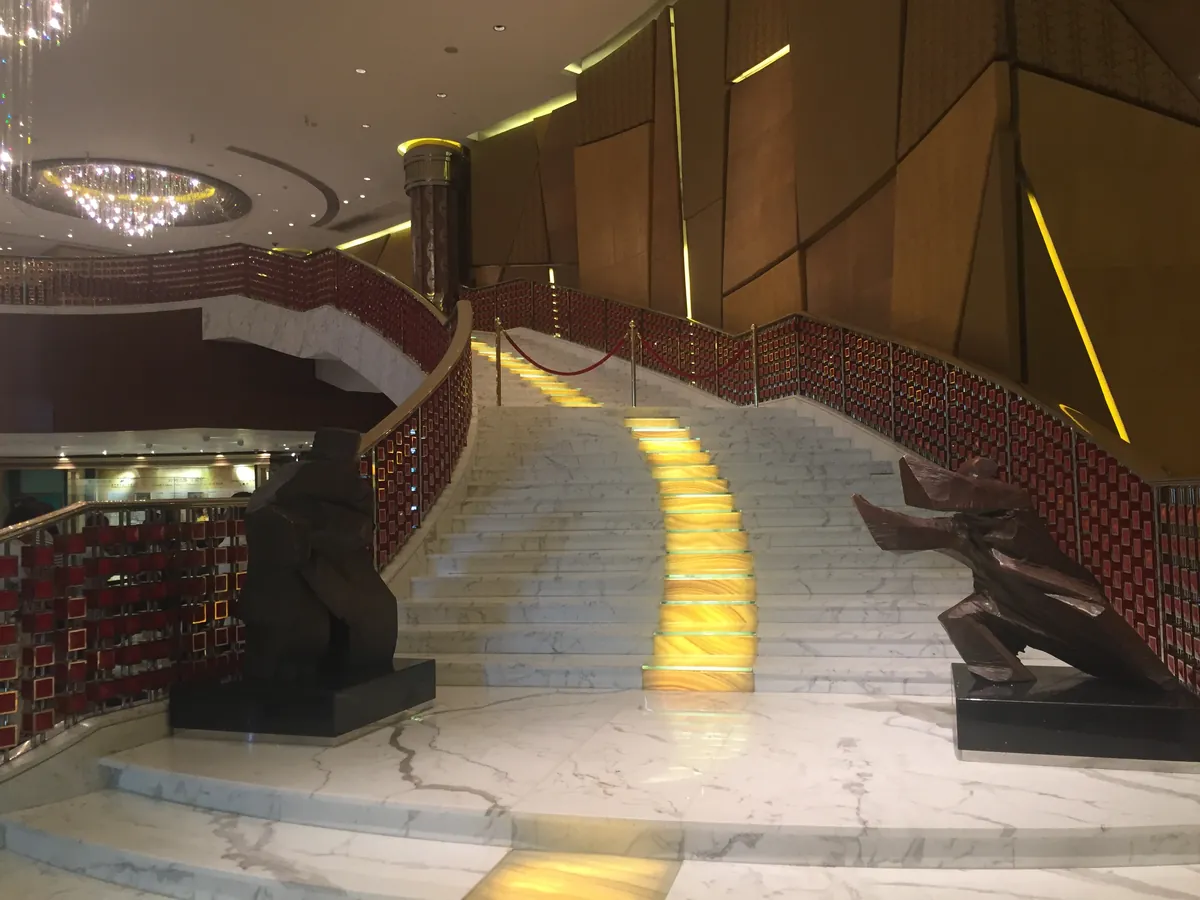
The interiors are an attraction in themselves — marble, gold and chandeliers on a grand scale.
Eat: egg tarts & Macanese food
Macau's signature bite is the Portuguese egg tart — crisp, caramel-topped custard, best warm from a pastelaria. Line up for a pork chop bun, and sit down for Macanese cuisine: African chicken, minchi, and Portuguese-Chinese dishes you won't find anywhere else.
Know before you go
- Separate entry from mainland China — different visa rules, a border crossing if you combine them.
- Money: Macanese pataca; Hong Kong dollars accepted almost everywhere.
- Language: Cantonese and Portuguese are official, and English gets by in tourist areas.